Protecting your digital wealth starts with understanding the different types of cryptocurrency wallets and how to secure them. These wallets are essential for anyone involved in cryptocurrency trading, blockchain activities, or even those curious about tornado cash, a popular decentralized finance protocol. Let’s explore the types of wallets and how to keep them secure.
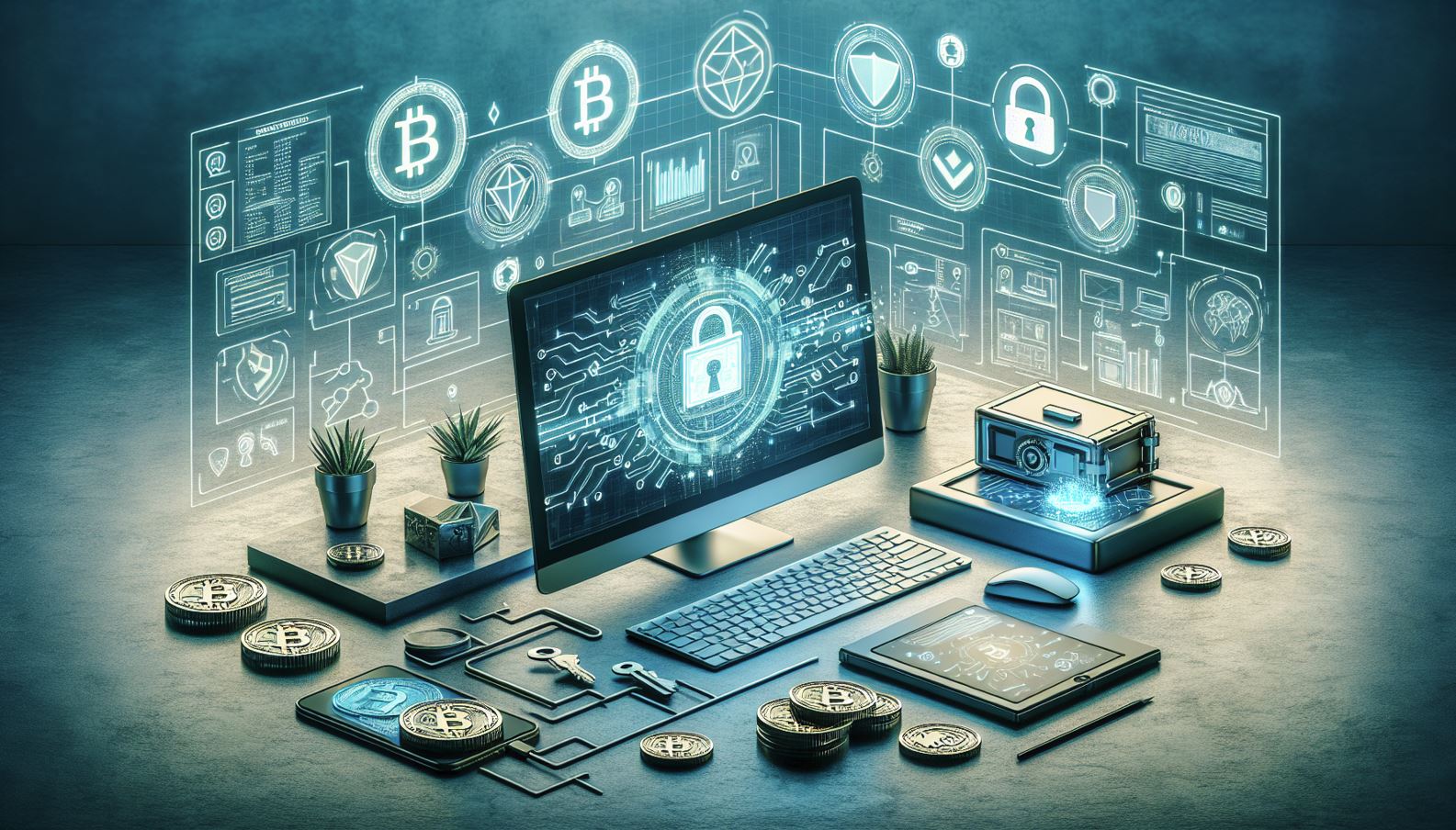
Understanding Different Wallet Types
First, let’s look at the two main types of cryptocurrency wallets: hot wallets and cold wallets. Hot wallets are always connected to the internet and are generally easy to access. They are ideal for daily transactions but can be vulnerable to hacks and other cyber threats. Cold wallets, on the other hand, are not connected to the internet, making them much safer for long-term storage. Think of cold wallets as your digital safe. Examples include hardware wallets and paper wallets, which store your private keys offline.
Another important distinction is between custodial and non-custodial wallets. Custodial wallets, often provided by exchanges, manage your private keys for you. While convenient, this means you don’t have full control over your assets. Non-custodial wallets give you complete control but also place the responsibility of key management entirely on you. Striking the right balance between convenience and control is a personal choice that depends on your level of technical comfort and the amount of funds you’re handling.
Best Practices for Securing Your Wallet
Securing your cryptocurrency wallet starts with choosing strong passwords. A good practice is to use a blend of upper and lower-case letters, numbers, and special characters. Using a password manager can make this task simpler and more secure. Don’t reuse passwords across different platforms. Enabling two-factor authentication (2FA) adds another layer of security. 2FA methods can include SMS codes, authentication apps, or even biometric data. Regularly updating your wallet software is another vital step. Software patches often include important security updates, so enabling automatic updates can protect you from potential vulnerabilities.
Another best practice is to divide your funds among multiple wallets. By keeping a portion of your assets in a cold wallet for long-term savings and a smaller amount in a hot wallet for daily transactions, you can minimize the potential impact of a security breach. Remember, your wallet is only as secure as the device it’s on. Keep your computer or mobile device free from malware and always download wallet software from official sources to avoid fake versions that could steal your funds.
Avoiding Common Security Pitfalls
Phishing attacks are common threats in cryptocurrency. These attacks trick users into revealing their private keys or personal information. Always double-check URLs and be skeptical of unsolicited messages. Using unsecured networks is another risk. Public Wi-Fi can be an entry point for hackers. If you must use a public network, consider using a VPN to add an extra layer of encryption.
Emergency Measures for Compromised Wallets
If your wallet is ever compromised, quick action is crucial. Immediately transfer any remaining assets to a more secure wallet. Contact cryptocurrency exchanges and relevant authorities for guidance. Knowing how to back up your cryptocurrency keys can also save you in these situations. Regular backups should be encrypted and stored in a secure location, like a fireproof safe or a secure digital cloud.
Learning About Blockchain for Improved Security
One of the best ways to improve your security know-how is through blockchain education. Understanding how blockchain technology works can make you more adept at recognizing and reducing security risks. Specialized training courses in blockchain security are available and can provide you with the skills needed to keep your digital assets safe. Programs like RareSkills, which offer intensive boot camps in blockchain engineering and programming languages like Solidity and Rust, are excellent for those looking to deepen their knowledge.
Securing your cryptocurrency wallet isn’t just a one-time task; it’s an ongoing responsibility. By understanding the different types of wallets, following best practices, avoiding common pitfalls, and investing in education, you can keep your digital assets safe.