The New York Stock Exchange (NYSE) has selected Avalanche to provide the core ledger technology for clearing and settling tokenized securities on its planned blockchain-based trading platform.
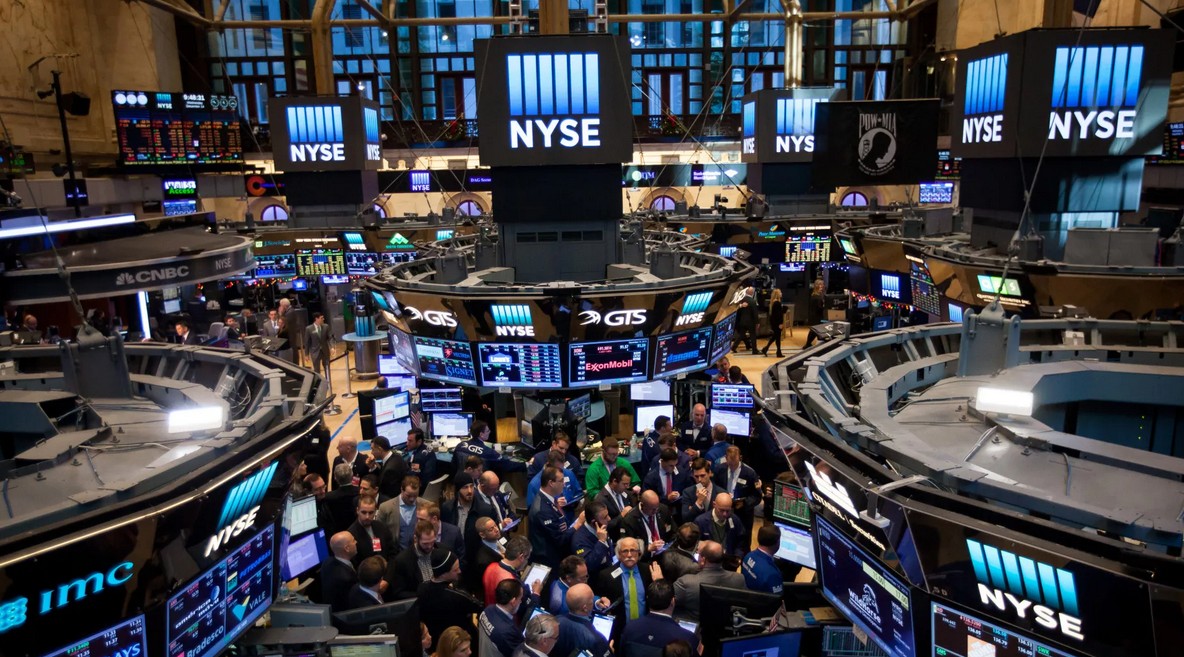
According to the November 9 announcement from Ava Labs, the technology will support the clearing firm behind an upcoming NYSE-affiliated alternative trading system (ATS), designed to enable round-the-clock trading and settlement of tokenized equities.
The platform remains subject to regulatory approval and is expected to use dedicated blockchain infrastructure built on Avalanche technology rather than relying directly on its public network.
NYSE plans to support tokenized equities issued across multiple blockchains, with Avalanche providing the underlying infrastructure for recording and settling transactions.
Dennis Lee, NYSE’s head of digital issuance, said the exchange evaluated technologies based on transaction speed, reliability, predictable costs and the ability to control network participation.
The choice reflects growing interest among major financial institutions in using blockchain technology not only to tokenize individual assets but also to modernize the infrastructure behind securities markets.
Traditional equity transactions typically settle one business day after execution in the United States. Blockchain-based settlement could potentially shorten that process while enabling trading and settlement outside conventional market hours.
The development follows similar initiatives by other established exchanges. Back in September, the London Stock Exchange announced plans to introduce blockchain-based versions of UK-listed shares, alongside preparations for a 24-hour trading platform.
Nasdaq is also developing tokenized equity infrastructure, including partnerships aimed at connecting traditional securities markets with blockchain networks.
For NYSE, the Avalanche partnership represents a move beyond experimental tokenized financial products toward integrating blockchain into core market operations.
However, the project must still address regulatory requirements, operational resilience and interoperability with existing financial infrastructure before its proposed trading system can become operational.
The announcement highlights how blockchain technology is increasingly being considered for the infrastructure supporting global capital markets, rather than solely for issuing digital assets.