Crypto has moved closer to the daily routine of traders who once kept digital assets at a distance. Entering the crypto market used to mean separate platforms, unfamiliar systems and moving between tools just to compare price action with traditional assets. Multi asset platforms have eased that by placing digital assets beside currencies, metals, commodities, equities and indices inside a more familiar trading environment.

A trader can review a Bitcoin move beside currency strength, equity sentiment, bullion demand or liquidity conditions, then decide whether the move carries wider market meaning. Crypto becomes easier to interpret when it sits alongside the markets that already shape daily decisions.
Inolign follows this approach by placing digital asset coverage inside its broader trading environment. Users can review crypto alongside established instruments, check account activity and keep timing and exposure in view through the same platform structure.
Reading Crypto Through Shared Market Signals
The first bridge is the way traders read signals across both crypto and traditional assets. Digital assets may have a different structure, but traders often study them through familiar questions around risk appetite, liquidity, dollar strength and demand for defensive assets.
That creates a shared reading across markets that once felt separate. A broad crypto pullback may show weaker speculative demand, while stronger token activity can suggest a higher tolerance for risk. The same logic already runs through traditional markets, where gold, oil, currencies and indices are read through inflation, supply, rates and positioning.
Stablecoin activity has tied crypto more closely to liquidity discussions, while tokenized assets have pushed blockchain based products closer to familiar financial instruments. That makes the bridge more serious than simple price comparison.
Inolign sees this as one reason multi asset platforms are gaining importance. When crypto can be reviewed beside traditional instruments, a trader can weigh the signal more carefully instead of reading one price move in isolation.
A Better Workflow Changes the Quality of Market Decisions
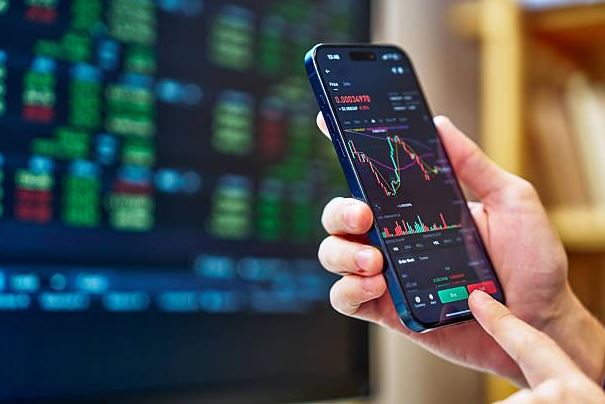
The second area where these markets converge is workflow. Many trading mistakes begin before the trade is placed. A trader watches one chart, checks another platform, opens a separate report, then tries to connect the message under time pressure, which can turn simple observation into a rushed decision.
Digital assets add pressure because their pace can feel different from the rhythm of traditional sessions. A move can develop while currency traders wait for data, while equity traders watch sentiment, or while commodity traders focus on supply headlines. When the workflow is split, the trader may notice the move but miss its place in the wider picture.
The timing issue sharpens when markets move together. A crypto move may appear first, while confirmation or rejection comes later through the dollar, indices, metals or wider risk sentiment. A trader working across separate platforms has to rebuild that picture from scratch each time, adding delay at exactly the wrong moment.
Inolign’s trading hub addresses this through live data, charting, screening tools, risk analysis and account reporting across 160+ instruments. The advantage is not just the range but the way they sit together in one view, so a trader can study a digital asset move, check correlated behavior and review account exposure without switching tools or losing context.
A well-structured multi-asset platform reduces friction in the decision. The trader still has to read the market, manage risk and accept the outcome, but the information needed to do that is already in one place.
The Strongest Bridge Appears After Entry
The clearest case for multi-asset platforms comes after the trade is open. At that stage the issue is exposure, not entry. A crypto trade and a traditional position can look separate on paper while still reacting to the same shift in sentiment, liquidity or dollar movement.
Inolign points out that this is where multi-asset platforms prove their value beyond entry, helping traders identify when different instruments carry overlapping exposure. A Bitcoin trade, a tech index position and a high-beta stock can all depend on risk confidence staying intact. When that confidence breaks, the account absorbs the impact from several directions at once.
The same can appear in reverse. A trader may hold gold as a defensive position while also holding a crypto trade that depends on stronger speculative demand. Those positions work against each other if mood shifts, and reviewing them together shows whether the account is balanced or quietly crowded in one direction.
So the gap between crypto and traditional markets is closing through both product availability and risk review. Traders may first look at what can be traded, but the deeper question comes after positions are open, when each active trade can move the wider account as markets begin shifting together.