• Skip to main content
  • Skip to secondary menu
  • Skip to primary sidebar
  • Skip to footer
  • Upcoming Events
    • Web3 Warsaw (September 9-10, 2026)
    • European Blockchain Convention, Barcelona (September 16-17, 2026)
    • Forex Expo, Dubai (September 22-23, 2026)
    • Digital Assets Week in London (October 6-7, 2026)
    • 5th Fintech Week & Expo, Frankfurt (October 7-8, 2026)
    • TOKEN2049, Singapore (October 7-8, 2026)
    • Money20/20 USA, Las Vegas (October 18-21, 2026)
    • Digital Asset Forum, New York (November 13, 2026)
    • iCrypto Awards: People’s Choice, Dubai (December, 2026)
    • Digital Asset Forum, London (February 1-2, 2027)
  • Past Events

Crypto Reporter

Online magazine about cryptocurrencies, NFTs, DeFi, GameFi and other blockchain technologies

Join us on Telegram: https://t.me/crypto_reporter
  • News
    • News Feed
    • Cryptocurrencies
      • Bitcoin
      • Altcoins
    • Payment solutions
    • Exchanges
      • Binance
      • bitFlyer
      • Bitfinex
      • CBOE
      • CME
      • Coinbase
      • Coincheck
      • Coinfloor
      • Nasdaq
      • Poloniex
    • Regulations
      • Australia
      • Belarus
      • China
      • Europe
      • India
      • Iran
      • Israel
      • Japan
      • North Korea
      • Philippines
      • Portugal
      • Russia
      • South Korea
      • Thailand
      • Turkey
      • Venezuela
      • Vietnam
      • United States
    • Blockchain platforms
    • Crypto news in brief
    • Stats & trends
    • Reviews
      • Ambrosus
      • ATN
      • Dash
      • Green Power Exchange
      • Power Ledger
      • ShapeShift
      • Waltonchain
      • Cryptocurrency market capitalization can top 4 trillion USD, under conservative estimates
    • Opinion
    • Sponsored
  • Press Releases

Iran turns to Bitcoin, Tether as sanctions squeeze financial system

September 9, 2026 By Crypto Reporter

Iran is turning to Bitcoin and Tether as sanctions and a tightening economic blockade make it increasingly difficult for the country to access conventional international financial networks.
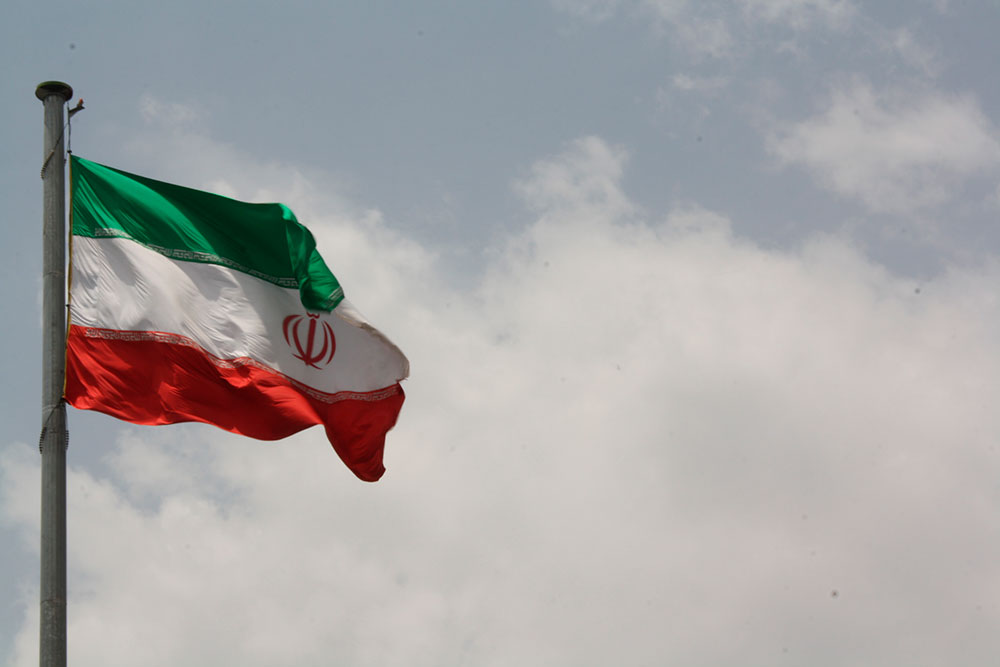
The Iranian central bank has relaxed long-standing foreign-exchange controls, allowing exporters to use Tether and Bitcoin for cross-border transactions through domestic crypto exchanges. The change gives businesses a way to move export proceeds directly into imports while avoiding some of the restrictions and exchange rates imposed by the state.

The shift comes as U.S. economic pressure on Iran intensifies, with sanctions and restrictions on oil exports putting further strain on the country’s access to foreign currency and international banking channels.

For Iranian businesses, stablecoins such as Tether’s USDT offer a digital dollar alternative that can be transferred across borders without relying on traditional correspondent banking networks. Bitcoin provides another payment rail outside the conventional financial system.

Iran’s crypto activity is already substantial. Nearly $10 billion in cryptocurrency transactions were processed in the country in 2025, according to the Financial Times. Iran also has significant Bitcoin-mining capacity, supported in part by relatively cheap domestic energy.

The strategy, however, comes with significant risks. U.S. sanctions apply to Iranian digital-asset exchanges, and the Treasury Department has warned that foreign financial institutions and other non-U.S. persons can face sanctions exposure for significant transactions involving designated Iranian crypto exchanges. The U.S. Treasury has specifically identified Iranian exchanges as blocked financial institutions under its sanctions regime.

Washington has also targeted crypto businesses linked to Iranian illicit finance. In August, the Treasury sanctioned several digital-asset exchanges and related entities, saying they had helped finance Iran’s Islamic Revolutionary Guard Corps and facilitate illicit financial activity.

The growing use of Bitcoin and Tether highlights an increasingly important role for digital assets in countries cut off from traditional financial infrastructure. But while crypto can provide alternative payment channels, the scale of Iran’s financial needs means it is unlikely to fully replace access to conventional banking and foreign-currency markets.

For Tehran, the move is less a bet on crypto than a response to financial isolation — turning blockchain-based assets into another tool for keeping trade moving as sanctions tighten.

Filed Under: Featured, General News, Latest News, News Tagged With: bitcoin, BTC, Iran, USDT

Primary Sidebar

Press Releases

What Is a Crypto Trading Bot? How On-Chain Execution Actually Works

September 9, 2026

Enso Launches Flashloan Actions: Institutional Infrastructure for Single-Transaction Capital Efficiency

September 8, 2026

Pencil Finance completes first US$1 million fully on-chain student lending cycle

September 8, 2026

Pavel Kashuba to speak at Stablecon USA 2026

September 7, 2026

Minds by Animoca Brands launches Agentic Football Cup – Virtual League, in collaboration with AWS

September 7, 2026

Follow Us

Web3 Warsaw

European Blockchain Convention

Forex Expo Dubai 2026

5th Fintech Week & Expo 2026

Money20/20 USA

TOKEN2049 Singapore

iCrypto Awards

Footer

Crypto Reporter is an online magazine about cryptocurrencies, NFTs, DeFi, GameFi and other blockchain technologies
About us
Contact us
Submit press-release

Search

2017-2026 Crypto Reporter