Tron has announced a new initiative to strengthen its blockchain against potential threats from quantum computing, with founder Justin Sun positioning the move as a proactive step ahead of the wider crypto industry.
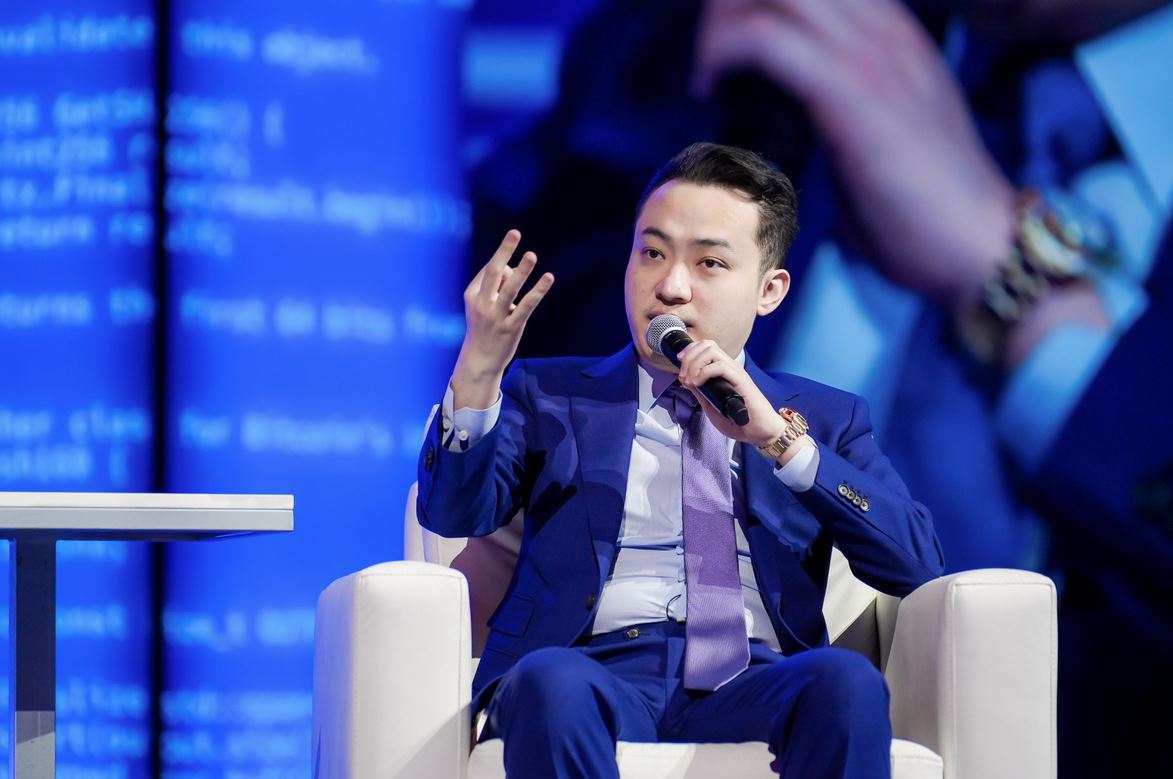
In a statement on Wednesday, Sun said Tron is launching a “post-quantum upgrade plan,” claiming it will become the first mainstream public blockchain to deploy post-quantum signature schemes based on standards from the National Institute of Standards and Technology on its mainnet.
“When Bitcoin was still debating whether to freeze quantum-vulnerable addresses, and Ethereum was still forming research committees, TRON was already taking action,” Sun said. “Today, we officially announce: TRON launches the post-quantum upgrade plan.”
Sun emphasized that quantum security should be treated as a built-in feature rather than a topic of debate, adding that the network aims to ensure user assets remain protected from future technological risks. He said a technical roadmap detailing the upgrade will be released soon.
The announcement comes as concerns grow within the crypto sector following recent research from Google Quantum AI, which sparked debate about whether advances in quantum computing could eventually break the cryptographic systems underpinning digital assets.
At the center of the discussion is Shor’s algorithm, a quantum computing method that, if significantly improved, could reduce the resources required to crack private keys and compromise modern encryption. Google has set a 2029 target for transitioning to post-quantum cryptography, intensifying the timeline for potential industry adaptation.
Some industry figures have urged calm. Changpeng Zhao, founder of Binance, argued that quantum-resistant upgrades should be sufficient to address any real-world risks, saying there is no immediate need for panic.
Meanwhile, Ethereum researcher Justin Drake cautioned that the implications of the Google research still require further scrutiny. He noted that timelines for practical quantum attacks remain uncertain, estimating only a small but meaningful chance that elliptic curve cryptography could be broken by the early 2030s.
Against this backdrop, Tron’s planned upgrade reflects a growing focus across the crypto ecosystem on preparing for long-term security challenges posed by emerging technologies.