Unlock the full potential of your digital assets with our complete guide to seamless cryptocurrency transactions — featuring trusted tools like the PulseChain Bridge.
#Blockchain #Cryptocurrency #PulseChain

The Growing Demand for Smarter Transfers
As cryptocurrency adoption expands globally, users increasingly hold assets on multiple blockchains. But transferring value across these separate networks remains a challenge. Most blockchains are built as independent ecosystems with their own rules, infrastructure, and consensus mechanisms. This often results in friction when users attempt to move tokens between chains—leading to delays, high fees, and complex, manual steps.

Although blockchain technology delivers powerful benefits like decentralization and transparency, interoperability is still catching up. This is where cross-chain solutions, particularly the PulseChain Bridge, come in. Designed to connect disparate networks, it helps users unlock new opportunities in a growing decentralized financial ecosystem. Whether you’re already using PulseChain or just starting out, a reliable bridge can make a world of difference.
The Cross-Chain Bridge Solution
Cross-chain bridges act as translators and connectors between blockchain networks, allowing assets to move freely between them without the need for a centralized intermediary. These tools reduce the number of steps required for token transfers and make it much easier for users to navigate a multi-chain environment.
One example is PulseBridge, which supports seamless interaction across platforms, eliminating the need to rely on exchanges or swap protocols with complicated interfaces. Bridges like this reduce costs, streamline processes, and improve accessibility for users at all experience levels.
If you’re unsure how to bridge to PulseChain, most platforms offering this functionality provide a simple user interface with clear instructions. From token selection to wallet integration, the process is designed to be intuitive and fast, even for newcomers.
The Challenges of Cross-Chain Transactions
Transferring tokens across chains can be daunting. It often involves using multiple tools, waiting for confirmations, dealing with unpredictable gas fees, and worrying about potential errors in wallet addresses or network settings. All of this adds up to a frustrating experience for users—especially when time and efficiency are crucial, such as during volatile market conditions.
These challenges stem from the way blockchains were initially designed—each as a self-contained system with its own protocol. The lack of standardized communication between chains creates bottlenecks and limits broader adoption.
That’s why bridges like the Pulse Chain Bridge have gained attention. They offer secure, user-friendly pathways that eliminate unnecessary complexity and allow for near-instant transactions across chains. By locking assets on one chain and issuing a corresponding representation on another, these bridges maintain asset value and security throughout the process.
How Cross-Chain Bridges Work
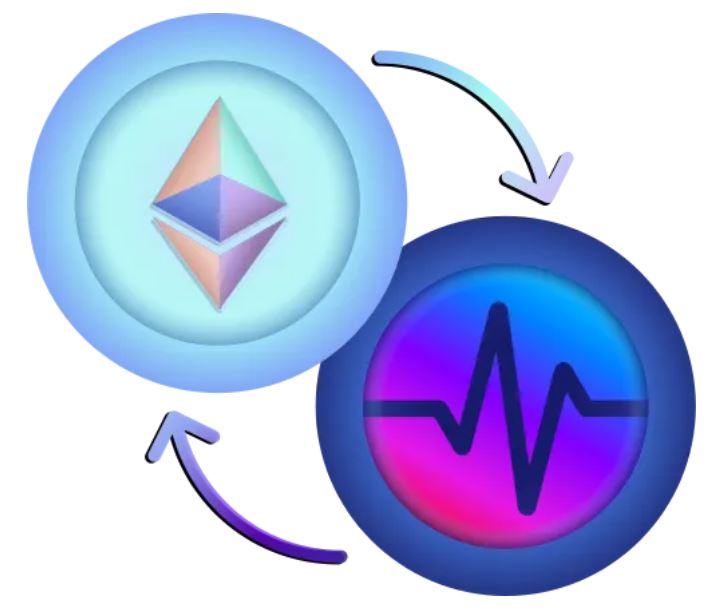
When a user initiates a transfer via a cross-chain bridge, the original token is locked in a smart contract on the source blockchain. At the same time, an equivalent token is minted or released on the destination chain. For example, if you’re moving assets to Pulse Chain, the bridge ensures that your tokens remain secure while being represented appropriately on the new network.
This process is governed by decentralized smart contracts, which manage the logic and integrity of the operation. From the user’s perspective, it’s often just a few clicks: choose a token, select the destination network (like PulseChain), and confirm the transaction using a supported wallet.
If you’re wondering how to use PulseChain Bridge, rest assured that most platforms provide step-by-step guidance. The process has been refined to reduce friction and maximize reliability, with wallet compatibility and confirmation prompts that make the experience straightforward.
Why This Matters to Everyday Crypto Users
For users engaging in decentralized finance, NFTs, or multi-chain trading strategies, the speed and efficiency of asset movement are critical. A delay of even a few minutes can mean missing out on an investment opportunity or facing higher fees due to market shifts.
By using tools like Bridge PulseChain, users benefit from fast and cost-effective transactions that don’t require jumping between multiple platforms. This kind of accessibility is especially important for those who are new to crypto and might otherwise be discouraged by technical hurdles.
More experienced users, meanwhile, can appreciate how cross-chain bridges open doors to broader liquidity pools, more investment opportunities, and integration with DeFi protocols across ecosystems.
Staying Safe During Cross-Chain Transfers
As with any online transaction, security is a top concern when using blockchain tools. Cross-chain bridges are powerful but can be vulnerable if accessed through unverified platforms or malicious links.
To stay safe, always use official or well-reviewed bridges such as Pulse Bridge. Double-check URLs, ensure that your wallet is compatible, and carefully review transaction details before approving. Many bridges include security features like automated validation, smart contract verification, and multi-wallet support—but your own caution plays a critical role.
Never approve unknown smart contracts or connect your wallet to suspicious sites. Staying informed and using reputable tools will go a long way in protecting your assets.
The Broader Impact on Blockchain and DeFi
The rise of cross-chain bridges marks a significant step toward a more connected, fluid blockchain ecosystem. As DeFi matures, the need for seamless interaction between chains has grown. Traders want faster access to liquidity. Developers want tools that allow interoperability. Users want freedom to manage their assets across platforms without barriers.
Solutions like PulseChain play a vital role in this evolution, offering faster transactions, lower fees, and improved scalability. With bridges linking PulseChain to other major ecosystems, the network becomes more attractive to users, investors, and developers alike.
Understanding how to bridge to PulseChain is no longer optional—it’s a valuable skill in a multi-chain future.
Conclusion
Cross-chain bridges are transforming how we use, manage, and transfer digital assets. They remove the inefficiencies of siloed networks and help create a more unified blockchain experience.
Whether you’re a crypto newcomer or a seasoned DeFi user, learning how to use PulseChain Bridge gives you more control, speed, and access to opportunity. As tools like PulseBridge, Pulse Chain, and others continue to develop, the blockchain world will become more open, more efficient, and far more connected.