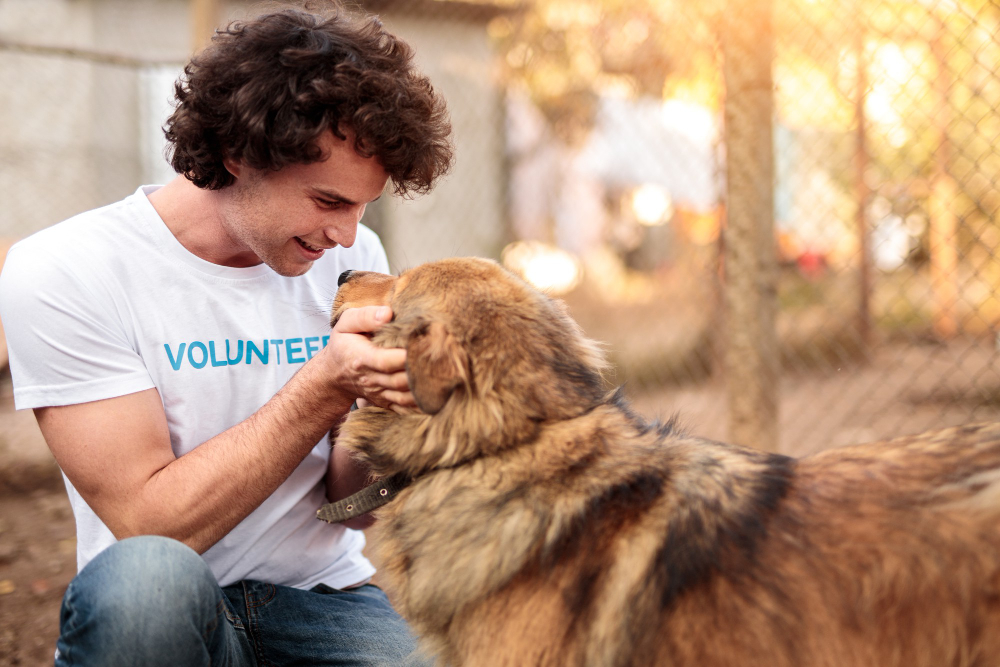
Animal charity has long been rooted in empathy, urgency, and a sense of moral responsibility. For decades, shelters and rescue organizations have relied on familiar forms of support: cash donations, fundraising events, sponsorships, and volunteer work. These methods are still valuable, but the world around them has changed. Technology has reshaped how people interact, how value circulates, and how quickly help can reach those in need. In this evolving landscape, cryptocurrency has emerged not just as a financial innovation, but as a new channel for compassion. Rethinking animal charity through cryptocurrency donations means looking beyond tradition and asking how modern tools can serve timeless values. It means recognizing that digital assets, often seen as abstract, can play a deeply human role in protecting animals who cannot protect themselves.
From traditional giving to digital responsibility
Traditional charity models are built on trust and habit. People donate in ways they have always known, often locally, sometimes impulsively, sometimes out of routine. While this approach has sustained animal welfare for years, it also comes with limitations. Geographic boundaries, banking delays, transaction fees, and administrative barriers can slow down or reduce the impact of donations. Cryptocurrency challenges these constraints by offering a faster, more direct path between donor and cause.
This shift requires a change in mindset. Crypto donations are not about replacing emotional connection with technology; they are about extending that connection beyond physical and institutional limits. When donors realize that you can help animals by donating here through a digital channel, the act of giving becomes more accessible and immediate. It invites people who may not engage with traditional charities to participate in animal welfare in a way that aligns with how they already live and transact.
By embracing digital responsibility, animal charities open themselves to a broader community. This community values transparency, efficiency, and global reach. In return, shelters gain access to resources that move as quickly as the needs they are meant to address.
Understanding the real needs behind the screen
At the heart of any donation, digital or otherwise, are animals with concrete needs. Dogs and cats arriving at shelters often come from situations of neglect, abandonment, or abuse. They are hungry, frightened, and sometimes severely ill. No matter how advanced the technology behind a donation may be, its purpose is simple: to meet these needs with care and consistency.
Cryptocurrency donations are particularly well-suited to this reality because they allow shelters to respond without delay. Good food is often the priority. Proper nutrition helps animals regain strength, supports immune systems, and lays the groundwork for recovery. Digital funds can be quickly allocated to replenish food supplies, ensuring no animal goes without a meal due to budget gaps.
Medical care follows closely behind. Veterinary treatment is one of the most significant expenses shelters face. From routine vaccinations to emergency surgeries, costs can escalate rapidly. Crypto donations give shelters the flexibility to prioritize health over hesitation. When funds are readily available, decisions can be made based on what an animal needs, not what a budget allows.
Shelter, stability, and the space to heal
The concept of shelter extends far beyond physical protection. For animals who have lived on the streets or in unsafe environments, shelter represents stability. It is a place where routines exist, where fear gradually gives way to trust, and where healing can begin. Maintaining such an environment requires constant investment. Clean facilities, safe enclosures, temperature control, and enrichment activities all contribute to an animal’s well-being.
Cryptocurrency donations support this less visible, yet essential, aspect of animal care. They help shelters maintain standards that promote both physical and emotional recovery. A stable environment reduces stress-related behaviours and lowers the risk of disease. It allows animals to rest, observe, and slowly re-engage with the world.
When donors contribute through digital channels, they are often unaware of how deeply their support affects daily life at the shelter. Virtual value becomes clean bedding, functioning heating systems, and quiet spaces where animals can decompress. This transformation highlights how technology, when directed thoughtfully, can sustain environments of care and dignity.
Long-term care and ethical commitment
Not every rescue story ends with adoption. Some animals require lifelong care due to age, chronic illness, or trauma that makes rehoming difficult. These animals still deserve safety, comfort, and compassion. Providing long-term or forever care is one of the greatest challenges shelters face, both emotionally and financially.
Cryptocurrency donations offer a way to support this ethical commitment. They can be integrated into long-term planning, allowing shelters to allocate resources for ongoing treatments, specialized diets, and daily care routines. This stability reduces the constant pressure of fundraising and allows caregivers to focus on quality of life.
Forever care reflects a philosophy that values animals for who they are, not for their adoptability. When donors choose to support shelters with crypto, they are participating in this philosophy. Their contributions help ensure that no animal is left behind simply because its needs are complex or its chances of adoption are uncertain.
Adoption as a collaborative outcome
Adoption is often seen as the ultimate success in animal charity, but it is rarely a simple process. Successful adoptions require preparation, patience, and support. Animals must be healthy, socialized, and emotionally ready to join a family. Shelters invest time and resources into training, behavioural assessments, and outreach to ensure that matches are lasting and beneficial for both animals and adopters.
Cryptocurrency donations play a supporting role in this journey. They fund the behind-the-scenes work that makes adoption possible. Vaccinations, spaying or neutering, and rehabilitation efforts all contribute to an animal’s readiness for a new home. Without consistent funding, these steps become difficult to sustain.
When an animal is adopted, it represents a shared achievement. Donors, caregivers, and adopters are all part of the story. Even if donors never meet the animals they support, their impact is present in every successful transition from shelter to home.
Redefining compassion in a digital future
Rethinking animal charity through cryptocurrency donations is ultimately about redefining compassion for a digital age. It challenges the idea that technology and empathy exist in separate spheres. Instead, it shows how innovation can serve care when guided by intention and responsibility.
Digital currency allows compassion to move freely, crossing borders and overcoming barriers that once limited charitable action. It attracts new supporters who value transparency and global connection. Over time, these supporters become advocates, sharing stories and encouraging others to participate.
Each crypto donation, no matter its size, contributes to a larger ecosystem of care. It supports food, medical treatment, shelter, forever care, and the chance for animals to be adopted into loving homes. In rethinking how animal charity operates, cryptocurrency does not replace traditional values; it amplifies them. It offers a modern way to express an age-old truth: that helping vulnerable lives is a responsibility we all share, and that with the right tools, compassion can travel further than ever before.