As the South African economy has stabilized over the past few years, investments in South Africa have grown. People have started showing interest and are willing to take Challenges. However, it is important to take note of all the challenges that are involved in investing in South Africa and adhere to all the Laws and Regulations related to Online Trading and Trading Platforms in SA.
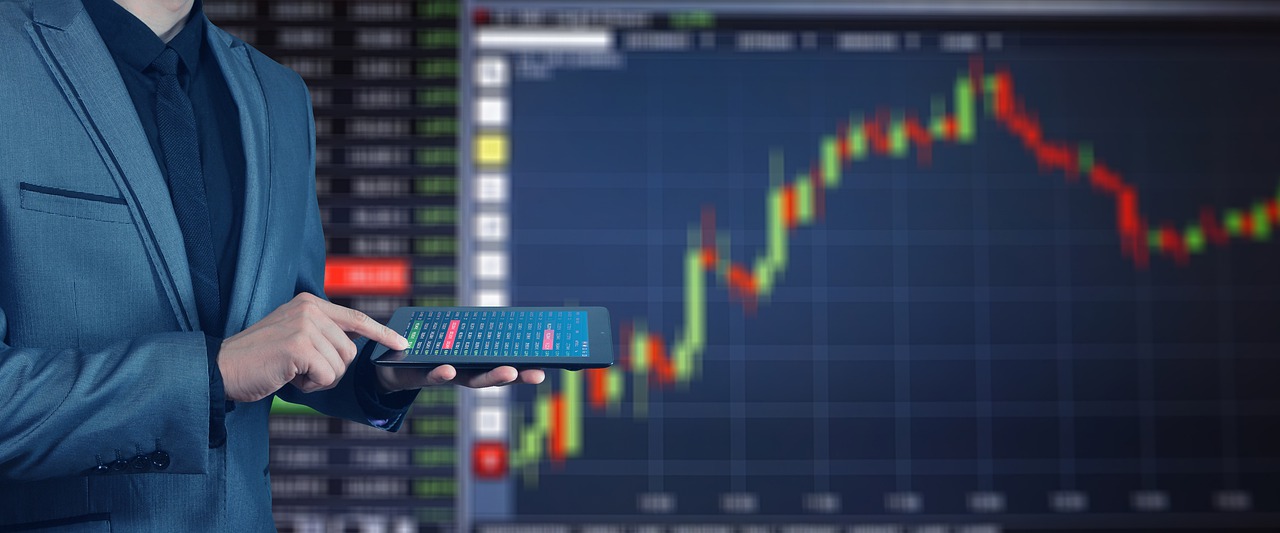
Challenges of Online Trading in South Africa
If you are trading there will for sure be challenges involved but being prepared is important. Here are a few challenges investors should be aware of:
- Investors should be aware of the fluctuations of the currency exchange rates as they depend upon imported goods. It is necessary to obtain permission from the Reserve Bank of South Africa if you are a business dealing in selling or buying foreign currency.
- Investors in South Africa should be mindful and up-to-date on the country’s volatility and instability before making any sort of investments. It is best to consult an expert if needed.
- Market conditions can shift drastically, so it is advised to be aware of the volatility in the country, it can also lead to huge losses or profits if the South African Rand devalues or appreciates.
- Financial regulations are regularly updated in South Africa, it is important for investors to be updated about the new updates and consult a professional.
- Stock Markets in South Africa are comparatively smaller and less liquid which makes it tricky to enter or exit the market anytime.
- It is important to opt for a broker who is FSCA-authorized.
Trading Expenses You May Encounter in South Africa
When trading forex in South Africa, there are several expenses you may encounter. It’s important to be aware of these costs to effectively manage your trading activities. Here are some common trading expenses in South Africa:
- Brokerage Fees: Brokers charge fees for executing trades on your behalf. These fees can be a fixed amount per trade or a percentage of the trade value. It’s crucial to compare brokerage fees to ensure you’re getting competitive rates.
- Exchange Fees: Stock exchanges in South Africa impose fees for accessing and trading on their platforms. These fees can vary based on the type and size of the trade. Make sure to consider these exchange fees when calculating your trading costs.
- Regulatory Fees: Certain regulatory bodies, such as the Financial Sector Conduct Authority (FSCA) in South Africa, may impose fees for overseeing financial market activities. These fees contribute to the regulation and supervision of the market.
- Spread: The spread is the difference between the buying and selling prices of a financial instrument. It represents the cost of executing a trade and can vary across different assets and brokers. Lower trading costs are mainly caused by Tight spreads.
- Financing Costs: If you engage in margin trading or borrow funds to trade, you may incur financing costs. These costs can include interest charges on borrowed funds or overnight holding costs for open positions.
- Market Data Fees: Access to real-time market data, research reports, and analysis tools may come with additional fees. These fees can vary depending on the level of data and research you require for your trading activities.
It’s essential to carefully consider these trading expenses and factor them into your trading strategy and profitability calculations. Understanding the costs involved will help you make informed decisions and manage your trading activities effectively.
Online Trading Platform in South Africa
There are several Online Trading Platforms listed in South Africa. An investor should look for a broker who is FSCA-authorised and has competitive pricing. You can find several brokers who are authorized by FSCA and offer zero commission, one such is Banxso, spearheading a transformative movement in the realm of investing. By dismantling barriers and simplifying the process, they empower individuals to embark on trading and seize command over their financial destiny.
Conclusion
In conclusion, while investing in South Africa can be rewarding, it’s important to be aware of the Challenges involved and stay informed about the country’s economic climate. Choosing a trusted platform that is authorized by the FSCA, can provide access to various online trading options and educational resources. However, thorough research and professional guidance are advised to make informed investment decisions in South Africa.